
تاج الشريعة
Taj al-Shari’ah Mufti Muhammad Akhtar Raza Khan al-Azhari
Bareilly · 1361–1439 AH / 1942–2018 CE
Grand Mufti of India and Qāđī al-Quđāt, its Chief Islamic Justice; great-grandson of Alahazrat Imam Ahmad Raza Khan, heir of Mufti-e-Azam-e-Hind, and a jurist, teacher and spiritual guide to millions.
Bareilly, 1361/1942
Lineage and early life
He was born in Bareilly on Tuesday 14 Dhu’l-Qa’dah 1361 — 23 November 1942 — a great-grandson of Alahazrat Imam Ahmad Raza Khan al-Hanafi al-Qadiri رحمه الله, on his father’s side and on his mother’s.1
His father, Mufassir-e-Azam Mawlana Ibrahim Raza Khan رحمه الله, known as Jilani Miyan, was the son of Alahazrat’s elder son, Hujjat al-Islam Mawlana Hamid Raza Khan رحمه الله. His mother was the daughter of Alahazrat’s younger son, Mufti-e-Azam-e-Hind Mawlana Mustafa Raza Khan رحمه الله.2
His father’s line
His mother’s line
ذُرِّيَّةَۢ بَعۡضُهَا مِنۢ بَعۡضٖۗ وَٱللَّهُ سَمِيعٌ عَلِيمٌ ٣٤
“They are the descendants one of another; and Allah is the All Hearing, the All Knowing.”
He studied at Dar al-Ulum Manzar-e-Islam, his family’s madrasa, where an Egyptian teacher, Shaykh Abd al-Tawwab al-Misri, taught him Arabic and urged him on to al-Azhar.3 He went in 1963, to the Faculty of Uşūl al-Dīn, and graduated in 1386/1966 in Tafsir and Hadith.4 The name stayed with him: in Bareilly he is still Azhari Miyan.
His grandfather had taken him into the Qādirī path as a child. On 15 January 1962, before a gathering of several thousand, Mufti-e-Azam-e-Hind took both his hands in his own and gave him khilāfah in the Qādirī, Suhrawardī, Naqshbandī and Chishtī paths, with his chains of ĥadīth and all his litanies, Dalāʾil al-Khayrāt among them. Asked who would succeed him, he said: “Great hopes are attached to this boy.” Later he wrote: “I make Akhtar Miyan my deputy.”5
Whatever I received came from the company of Huzoor Mufti-e-Azam. One hour in his company outweighed years of toil.
Taj al-Shari’ah, of his grandfather · Sawāniĥ-e Tāj al-Sharīʿah, p. 49
Bareilly, 1967–2018
Fatwas, judgeship and teaching
Issuing fatwas was the principal work of his life. For fifty years the questions of Sunnis across the subcontinent and beyond came to the Markazi Dar al-Ifta in Bareilly, and he answered them in the language they were asked in.6
- 10volumes of his Urdu fatwas
- 3languages he answered in: Urdu, Arabic and English
- 1967the year he wrote his first
After Mufti-e-Azam-e-Hind passed away in 1981, the questions that had gone to him came to his grandson. A team of about ten muftis drafted answers; he heard each one, corrected it and set his seal on it. His Urdu fatwas fill the ten volumes of Fatāwā Tāj al-Sharīʿah;7 his English ones, Azhar al-Fatāwā, were printed ten times in Durban;8 and his Arabic answers, mostly to scholars and Arab questioners, are gathered as al-ʿAţāyā al-Riđawiyyah.9
In 2006 he was named Qāđī al-Quđāt fi’l-Hind, the Chief Islamic Justice of India,10 and he was known across the Muslim world as the Grand Mufti of India.11 In 2016 The Muslim 500, the annual survey of influential Muslims, placed him 25th.12
Teaching and spiritual guidance
Late in life he still read Şaĥīĥ al-Bukhārī with the final-year class on Thursdays, and after Maghrib held open sessions of questions in the hall of the Azhari guest house.13 For years he led the Eid prayer at Bareilly’s Eidgah, where the whole city prayed behind him.14 On 29 May 2000 he founded Jamiatur Raza, the Sunni university Mufti-e-Azam-e-Hind had hoped for.
For most of those who loved him he was, above all, their murshid. His murids were counted in the tens of millions, his khulafāʾ in the hundreds and his students in the thousands, on every continent.15
Daily routine
He knew the Burdah and Dalāʾil al-Khayrāt by heart. Since his youth his daily litany was the whole Burdah after Fajr, until the sun rose, and a portion of Dalāʾil al-Khayrāt after ʿAşr.16 In his later years his sight failed and he could no longer read or write. Books were read aloud to him; he listened, and dictated his fatwas and his translations, often late into the night.17
Bareilly and Makkah, 1975–1987
Steadfastness in his rulings
He would not change a fatwa for any government, and would not take office from one.18
When India’s government was carrying out forced sterilisations during the Emergency, he declared it forbidden, and refused to withdraw the fatwa when the government pressed him. In 1989 the Governor of Uttar Pradesh came to his house to offer him a seat in the state’s Legislative Council; he would not take it.
In 1986 he was arrested in Makkah during his Hajj. At three in the morning of 13 August, Saudi police and secret police came to his lodging in Makkah, locked his wife in the bathroom, held him at revolver point and took his books: gifts from Sayyid ʿAlawī al-Mālikī, works of Alahazrat, and his Dalāʾil al-Khayrāt. For days they asked why he prayed apart from the imams of the Ĥaram, what he believed about the Prophet ﷺ, and what “Barelvi” meant. He answered every question plainly. He was held for eleven days, never told his offence, and sent home through Jeddah in handcuffs, without visiting Madinah.19
بریلوی کوئی مذہب نہیں ہے … ہم اہلسنت و جماعت ہیں
Barelvi is not a religion … we are Ahl al-Sunnah wa’l-Jamāʿah.
Taj al-Shari’ah, to his interrogators in Makkah, 1986 · His own account, as quoted in Ĥayāt o Taşnīfī Khidmāt, pp. 28–29, our translation
His own account of the arrest
He told the story at a protest meeting at the Minara Masjid in Bombay on 13 September 1986.19
“On 13 August 1986, at three in the night, the Saudi government’s CID and police suddenly came to where I was staying. They woke me, demanded my passport, and then demanded to search my luggage. My wife, who keeps purdah, was with me; I sent her into the bathroom, and the CID locked it from outside. Then they came into my room with soldiers and warned me, at revolver point, not to move. They searched my things. I had some books given me by Mawlana Sayyid ʿAlawī al-Mālikī, some books of Alahazrat, and Dalāʾil al-Khayrāt; they took all of them.”
That night, at the CID office:
- “Where did you pray Jumu’a?” — “I am a traveller; Jumu’a is not obligatory on me, so I prayed Zuhr where I was staying.”
- “Don’t you pray in the Ĥaram?” — “I live far from it. I go there for ţawāf.”
- Pressed, he said: “There is a difference between my school and yours. You are called Ĥanbalī, and I am Ĥanafī; if a non-Ĥanafī imam does not observe what a Ĥanafī follower requires, the Ĥanafī’s prayer is not valid. That is why I pray separately.”
- Of Alahazrat’s books: “What is he to you?” — “He was my great-grandfather.”
At dawn he was sent to jail. In later sessions he told them that the Wahhabis deny the Prophet’s ﷺ knowledge of the unseen, his intercession, seeking means through him (tawassul) and calling on him, and call these shirk, “while our belief is that tawassul through the Prophet ﷺ is permitted, and calling on him, and that he hears, and knows the unseen as God informs him.” Asking help of anyone as though he acted on his own, apart from God, is shirk, he said; asking it of one accepted by God, as a means to God’s help, is not.
When the CID wrote out a statement for him — “I, so-and-so, follow the Barelvi religion” — he refused it: “Barelvi is not a religion; if there is a new religion called Barelvi, I disown it.” It was rewritten to say that he followed Imam Ahmad Raza and that “we prefer to be called Ahl al-Sunnah wa’l-Jamāʿah”. A senior officer told him: “I respect you for your learning, your age and your standing, and ask for your prayers.”
“Despite continuous questioning, and though I asked again and again, they never told me my offence … After eleven days, when I was sent to Jeddah, they kept me handcuffed all the way to Jeddah airport, and gave me no chance to pray Zuhr on the way, so I missed it.”
Protests followed in Bombay, London and Pakistan. On 21 May 1987 the Saudi ambassador telephoned him in Bareilly with a special visa for Madinah, “and we apologise to you for past matters”.20 Kept from Madinah until then, he had written:
داغِ فرقتِ طیبہ قلبِ مضمحل جاتا، کاش گنبدِ خضرا دیکھنے کو مل جاتا
The scar of parting from Ţaybah would leave this weary heart — if only I could see the Green Dome.
Taj al-Shari’ah, a naʿt of February 1987 · Diyār-e Árab, p. 6, our translation
Cairo · Damascus · Baghdad
Relations with the scholars of the Arab world
He had studied at al-Azhar and wrote and spoke Arabic with ease, and the scholars of Cairo, Damascus and Baghdad received him with honour. When the professors of Baghdad praised his Azhari learning, he answered: “I take no pride in being an Azhari; my pride is in being a Qādirī.”21
In May 2009 he went back to al-Azhar for the first time in forty-three years. He met the Shaykh al-Azhar, Muĥammad Sayyid Ţanţāwī, and the university’s president, Dr Aĥmad al-Ţayyib, and al-Azhar honoured him with its shield of honour, al-dirʿ al-fakhrī.22 Al-Azhar’s own newspaper, Şawt al-Azhar, reported his talk to its students under the headline «مفتي الهند في ندوة ثقافية» — “The Mufti of India at a cultural seminar”.23
In Damascus, in August 2008 and again in the spring of 2009, its Mufti, its Khaţīb and its senior scholars gave dinners in his honour and asked him for his chains of ĥadīth. He called on Shaykh Muĥammad Saýīd Ramađān al-Būţī and Shaykh Abu’l-Hudā al-Yaʿqūbī; at Homs the chief judge took his ijāzah and asked him to lead the prayer at the mosque of Khālid ibn al-Walīd.24 In Baghdad he went to the shrine of Ghawth al-Aʿẓam Shaykh Ábd al-Qādir al-Jīlānī رحمه الله, whose path he followed; in Abu Dhabi he was the guest of al-Ĥabīb Álī al-Jifrī; in 2014 he came to Istanbul.25
The muĥaddith of Makkah, Sayyid Muĥammad ibn ʿAlawī al-Mālikī, came to Bareilly in Rabīʿ al-Awwal 1425, April 2004. Reading his Arabic gloss on Şaĥīĥ al-Bukhārī, he called him a “Ĥanafī muĥaddith” before those present.26 The Mufti of Damascus came too, for the ʿUrs, and later said of the crowds he saw there that it had gladdened his heart to see the people of India still so bound to their shaykhs.27
نحن قادريون مشرباً، وماتريديون عقيدةً، وحنفيون مذهباً
We are Qādirīs in our spiritual path, Māturīdīs in creed and Ĥanafīs in our school.
Taj al-Shari’ah, at the Faculty of Daʿwah, al-Azhar, May 2009 · Diyār-e Árab, p. 25, our translation
أختر سيدنا وابن سيدنا
Akhtar is our master, and the son of our master.
The Khaţīb of Damascus, as he recited his qaşīdah, August 2008 · Diyār-e Árab, p. 16, our translation
When the Shaykh came to Damascus the first time, I heard about him and wanted to visit him. Some people held me back, but I went to meet him, and at first sight Allah made me realise that he is one of the people of Allah.
Shaykh ʿAbd al-Fattāĥ al-Bazm, Mufti of Damascus, Jeddah, 2009, as recalled by one who heard him · Munawwar Ateeq, A Man Among the Men of Allah
- Bareilly Born here in 1942; taught at Manzar-e-Islam and founded Jamiatur Raza here; buried here.
- Cairo Student at al-Azhar, 1963–66; honoured there in May 2009.
- Damascus August 2008 and spring 2009.
- Baghdad At the shrine of Shaykh Ábd al-Qādir al-Jīlānī, 1982 and 2002.
- Makkah Hajj six times, 1983–2010.
- Abu Dhabi Guest of al-Ĥabīb Álī al-Jifrī, 2010.
- Istanbul September 2014.
Testimonies of scholars
فقدت الأمة علمًا من أعلام الهدى وهو مفتي الهند الأعظم الفقيه المُحدِّث شيخنا تاج الشريعة محمد أختر رضا خان الحنفي القادري الأزهري
“The Ummah has lost one of the beacons of guidance: the Grand Mufti of India, the jurist and ĥadīth scholar, our shaykh Taj al-Shari’ah Muĥammad Akhtar Riđā Khān al-Ĥanafī al-Qādirī al-Azharī.”
al-Ĥabīb Álī al-JifrīAbu Dhabi, on his death, 2018Condolence, July 2018 فوجدته كتاباً حوى في التحقيق أعلاه، ومن التدقيق أسماه، جمع مع دسومة المادة العلمية حسن التعبير، وجزالة اللفظ، فكان نبراساً مشعاً لمن قرأه، ودليلاً واضحاً لمن قصده
“On his study of the Prophet’s ﷺ lineage: I found it a book that reached the summit of investigation and the height of precision, joining rich learning to fine expression — a shining lamp for whoever reads it and a clear guide for whoever seeks it.”
Shaykh Jamāl Ábd al-Karīm al-DabbānMufti of Iraq, Baghdad, 1427/2006Shumūl al-Islām, pp. 116–117 نظرت إلى وجه الشيخ الكبير محمد أختر والبهاء يكسوه، والسكينة والوقار يجللانه، واستمعتُ إلى كلماته -بلغةٍ عربيةٍ صحيحةٍ- تخرج من فمه في قوةٍ وثقةٍ تصدح بالحق المبين، فوجدتني أقول: سبحان الله! ذرّيّة بعضها من بعض
“I looked at the face of the great shaykh Muĥammad Akhtar, clothed in radiance and crowned with calm and dignity, and listened to his words, in correct Arabic, coming with strength and confidence, ringing with the plain truth — and I found myself saying: Glory be to God! ‘Offspring, one of the other.’”
Muĥammad Khālid ThābitWriter and publisher, Cairo, 2009Inşāf al-Imām, p. 115 لقد أخذ العلم عن شيوخ عصره وكان رضي الله عنه صدّاعاً بالحق لا يخاف في الله لومة لائم
“He took knowledge from the shaykhs of his age, and spoke out the truth, fearing no one’s blame for the sake of God.”
al-Sayyid Ábd al-Ázīz al-Khaţīb al-ĤasanīKhaţīb of Damascus, on his death, 2018Condolence, July 2018 ولا زلت كما مرّ أسلافك الكرام منارات اهتداء، وأسنّة مشرعة في الدفاع عن حصن الشريعة الغرّاء بكل عزة وشموخ وكبرياء
“You remain, as your noble forebears were, a beacon of guidance and a spear raised in defence of the fortress of the radiant Sharīʿah, with all dignity and pride.”
Shaykh Ábd al-Jalīl al-Áţā al-BakrīMuĥaddith, Damascus, 2009Endorsement of his Arabic al-Amn wa’l-ʿUlā (Damascus, 2009) إنني ما رأيت مؤلفاً نسج على منواله، ولا كتاباً حوى بديع خصاله
“On his Arabic edition of Alahazrat’s al-Hād al-Kāf: I have never seen a work woven on its pattern, nor a book holding such rare qualities.”
Shaykh Maĥmūd al-Ĥūt al-NabhānīAleppo, 2009al-Hād al-Kāf (Damascus–Beirut, 2009), pp. 244–245 فوجدته فريداً في بابه، يغني عن تطلابه، ثقيل المضمون … دقيق المباحث، طويل النقول، يتعرض للعويصات والمشكلات. فبالجملة: إن الكتاب له قيمة علمية راقية
“On the same book: I found it unique in its field, sparing one the search for others, weighty in content … precise in its discussions, rich in citations, taking on the hardest questions. In short, the book has high scholarly worth.”
Sayyid Yūsuf al-Hāshimī al-ĤasanīBeirut, 2009al-Hād al-Kāf (Damascus–Beirut, 2009), p. 139 ننعى إلى العالم الإسلامي شيخنا المجيز العلامة محمد أختر رضا خان الأزهري … عن عمر ناهز سبعين عاماً مليء بالفضل والخير والعطاء والعلم والتعليم والثناء العاطر والتربية القويمة والذكر النقي
“We announce to the Muslim world the death of our shaykh who gave us ijāzah, the ʿallāmah Muĥammad Akhtar Raza Khan al-Azharī … a life full of virtue, goodness and giving, of learning and teaching, of fragrant praise, upright training and pure remembrance.”
Shaykh Khayr al-ŢarshānQādirī–Shādhilī order, Damascus, on his death, 2018Condolence, July 2018 كان قد جاء إلى دمشق منذ ما يقارب عشر سنوات … فاتصل بي ودعاني في جمع من مشايخ دمشق، وقال لي: نقلتُ من كتابك «رفع الغاشية» ثماني صحيفات
“He came to Damascus some ten years ago … he called me and invited me to a gathering of the shaykhs of Damascus, and said to me: ‘I have copied eight pages from your book Rafʿ al-Ghāshiyah.’”
Shaykh Niđāl ibn Ibrāhīm Āl RashīDamascus, on his death, 2018Condolence, July 2018 قد كان حلقة الوصل بين علماء الهند وبين علماء العرب والمسلمين عامة، حيث نال الإجازة العلمية من سنده المبارك أغلب علماء المسلمين
“He was the link between the scholars of India and the scholars of the Arabs and of the Muslims generally; most Muslim scholars received ijāzah through his blessed chain.”
al-Sayyid Úmar ibn Salīm al-Aʿżamī al-ĤusaynīFormer khaţīb of the Imam Aʿżam mosque, BaghdadCondolence, July 2018 أحيا السنة وأمات البدعة وخدم الدين في هذا الزمان الغريب الفاسد … كان يعمر جميع أوقاته في الفكر والذكر والإفتاء
“He revived the Sunnah, put innovation to death and served the religion in this strange and corrupt age … he filled every hour of his time with reflection, remembrance and fatwa.”
Cübbeli Ahmet HocaIstanbul; a student of Shaykh Mahmud Efendi, on his death, 2018Condolence in Arabic, July 2018 وأسأل الله أن يمتع المسلمين -وخاصة أهل العلم- بكم وبعلومكم دائماً في مشارق الأرض ومغاربها
“I ask God to let the Muslims, and the people of knowledge above all, enjoy you and your learning always, in the east of the earth and in the west.”
al-Sayyid Ábd Allāh ibn Muĥammad Fadʿaq al-HāshimīMakkah, 1426/2005Shumūl al-Islām, p. 101
Istanbul
Visit to Istanbul, September 2014
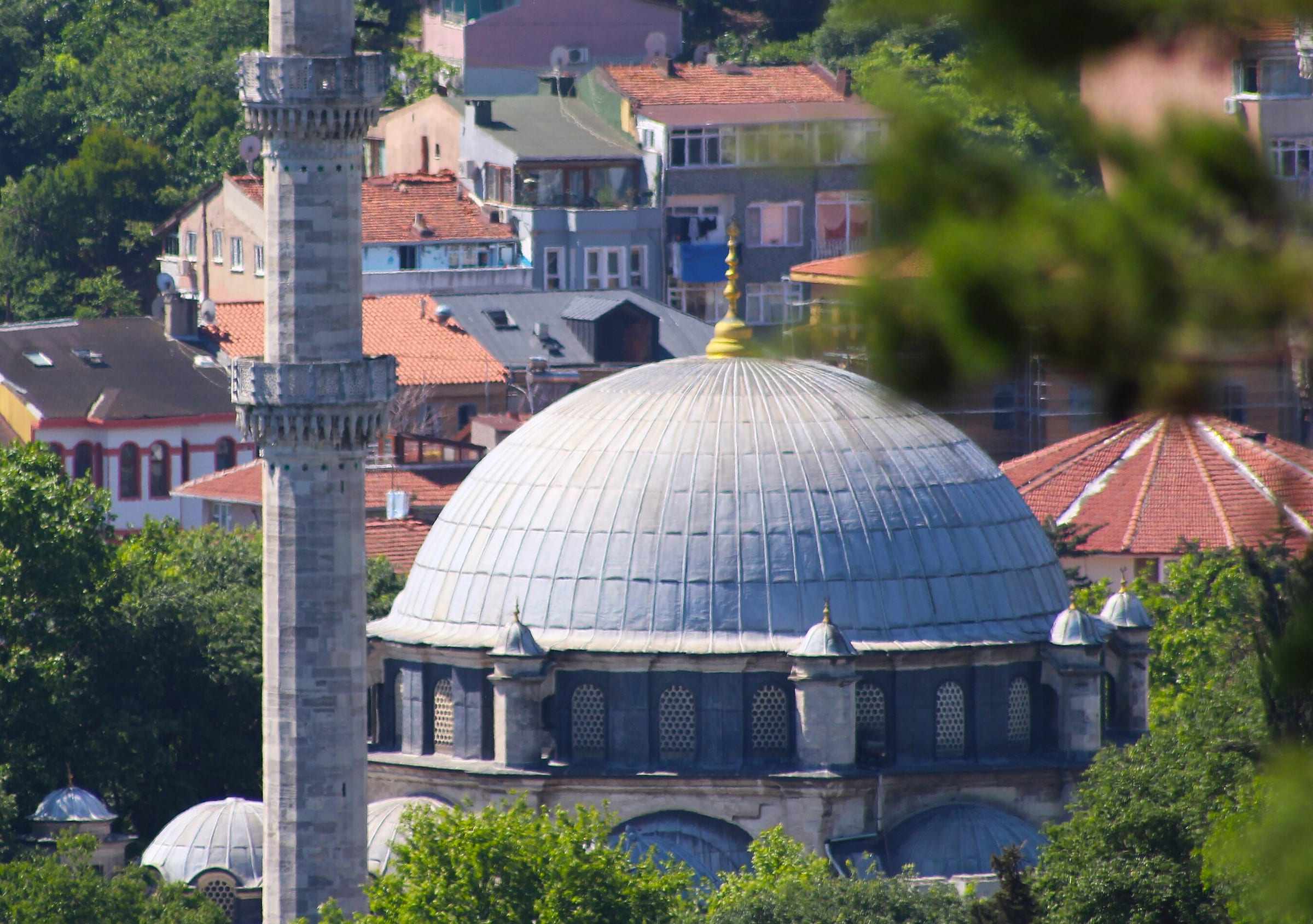
Eyüp Sultan Mosque, Istanbul. Photo: Ali Osman Dilekoğlu, CC BY-SA 4.0

Earlier that year, in Ramadan, in Madinah, a Turkish scholar came to meet him: Cübbeli Ahmet Hoca, student and khalīfah of Shaykh Mahmud Efendi. A visit to Türkiye had been planned for some years, and this meeting led to its being arranged. On the evening of 7 September 2014 he landed in Istanbul with his son, Qaid-e-Millat Mufti Asjad Raza Khan حفظه الله, and a small party of companions.28
The next morning he went to the shrine of Abu Ayyub al-Ansari رضي الله عنه. It was closed for repairs, so he gave his salām and recited the Fātiḥah outside. People in the crowd did not stop to ask who he was; they came forward to kiss his hand and ask for his prayers, and shopkeepers left their shops to do the same.29
On the second day Cübbeli Ahmet Hoca gathered the leading scholars of Istanbul in a hall to meet him, and introduced Alahazrat and Taj al-Shari’ah to them in Turkish. They asked him four questions: what would unite the Muslims, how Muslims should live among themselves, the threshold of zakāt in grams, and the distance at which a traveller shortens his prayer. He answered each briefly, from the Qur’an and the hadith, and the meeting closed with salām on the Prophet ﷺ and his duʿā.30
At the end of the meeting, almost all of them requested Ijazat of Hadith, Tafsir, Fiqh etc. Hazrat granted all of them Ijazah and granted along with it Sanads (certificates).
Mufti Aashiq Hussain Kashmiri, who was with him · Huzoor Taj al-Shari’ah’s Trip to Istanbul 2014, p. 3
On the third day, after praying Dhuhr in the Blue Mosque, he was taken in his wheelchair by his son through the relics of the Prophet ﷺ at Topkapı Palace. From there they crossed to the Asian side to visit Shaykh Mahmud Efendi, by then too old and weak to leave his house. The two shaykhs shook hands and sat facing each other; Cübbeli Ahmet Hoca told each about the other, and they prayed for one another.31
That evening Cübbeli Ahmet Hoca asked his companions about prostrating to graves. They answered that it is forbidden, citing Alahazrat’s treatise on it, al-Zubdah al-Zakiyyah, and Taj al-Shari’ah confirmed their answer to him when he joined them.32 Four years later Cübbeli Ahmet Hoca’s own condolence, among the testimonies above, said that he “revived the Sunnah, put innovation to death and served the religion”.
Works
Scholarship across the Islamic sciences
He was a muhaddith, a faqih, a mufassir and a muhaqqiq, and a poet in Urdu and Arabic. Over fifty years he wrote in Urdu, Arabic and English, and his students counted about ninety titles.33
- 26books in Urdu
- 14books in Arabic
- 8in English
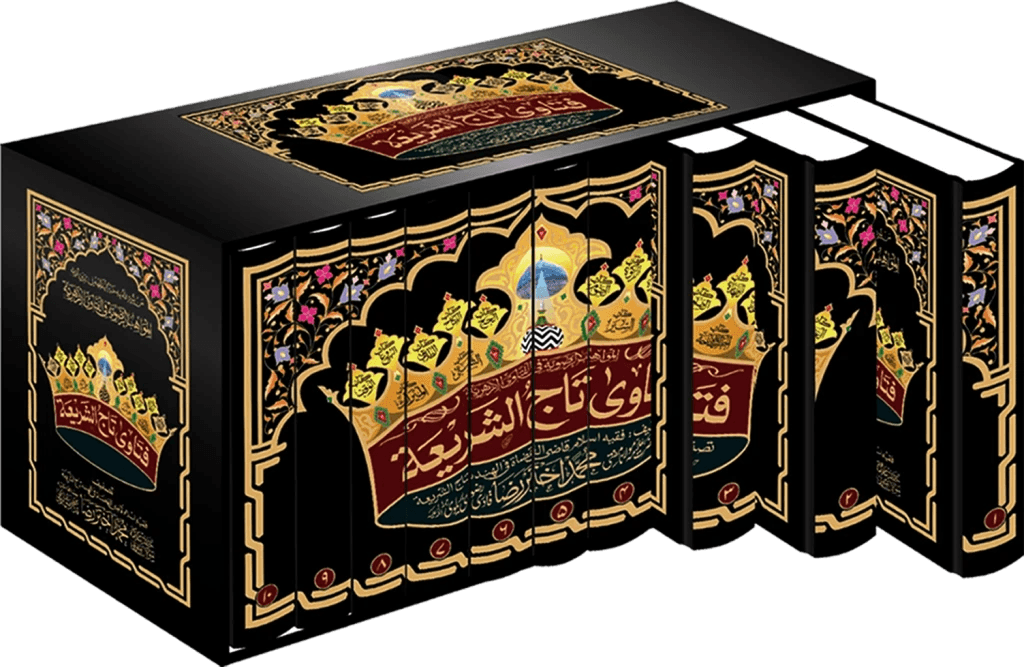
In hadith he wrote an Arabic gloss on Şaĥīĥ al-Bukhārī, whose lessons are collected in Urdu as Minĥat al-Bārī, and a study of the ĥadīth “My Companions are like the stars”. In tafsir he defended Alahazrat’s translation of the Qur’an in Difāʿ-e Kanz al-Īmān, and established from the sources that the father of Sayyidunā Ibrāhīm عليه السلام was Tāraĥ, not Āzar. In fiqh, beside his fatwas, he wrote on sighting the moon by modern media and on the ruling on pictures; in creed, on the precedence of Abū Bakr and ʿUmar and in reply to al-Barelwiyyah; and he wrote an Arabic commentary on the Burdah. Several of his Arabic studies were published in Cairo, and his translations of Alahazrat in Damascus.34 His translations were dictated. He put al-Muʿtaqad al-Muntaqad and Alahazrat’s commentary on it into Urdu on the road and in the air, on his journey to Sri Lanka in 2003, and finished it in six months; his Arabic edition of Alahazrat’s al-Hād al-Kāf, on weak ĥadīth, was published in Damascus and Beirut in 2009 with endorsements from scholars of Aleppo, Beirut, Kuwait and Jeddah.35
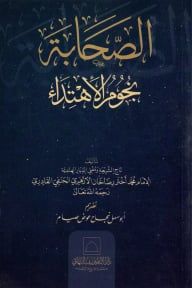
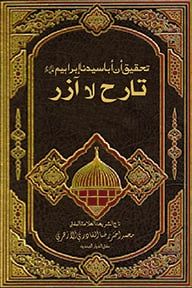
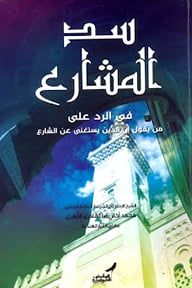
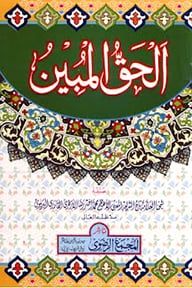
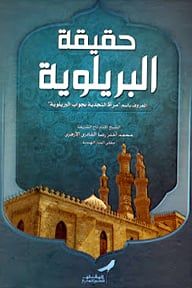
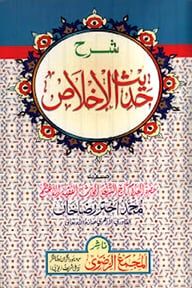
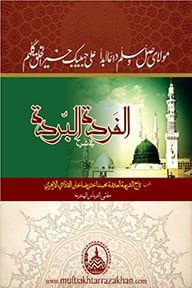
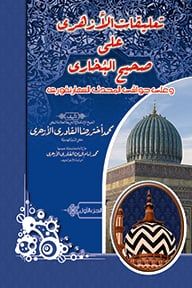
Covers: muftiakhtarrazakhan.com.
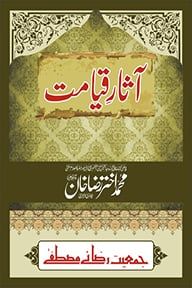
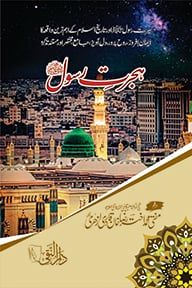
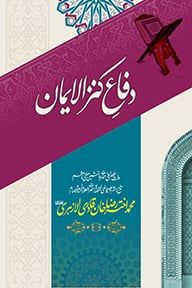
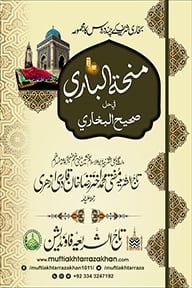
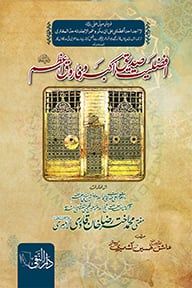
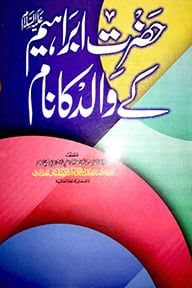
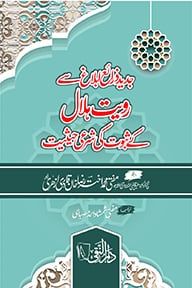
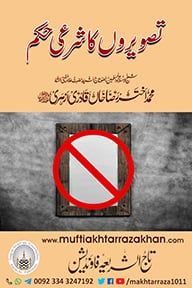
Covers: muftiakhtarrazakhan.com.
The works of Alahazrat he put into Arabic
- Shumūl al-Islām li-Uşūl al-Rasūl al-Kirām
- Fiqh-e Shahanshāh
- al-Amn wa’l-Úlā li-Nāʿitī al-Muşţafā
- Barakāt al-Imdād li-Ahl al-Istimdād
- Subĥān al-Subbūĥ ʿan ʿAyb Kadhib Maqbūĥ
- Dāmān-e Bāgh-e Subĥān al-Subbūĥ
- al-Qamʿ al-Mubīn li-Āmāl al-Mukadhdhibīn
- Qawāriʿ al-Qahhār ʿalā al-Mujassimah al-Fujjār
- Ihlāk al-Wahhābiyyīn ʿalā Tawhīn Qubūr al-Muslimīn
- al-Hād al-Kāf fī Ĥukm al-Điʿāf
- Taysīr al-Māʿūn li’l-Sakan fi’l-Ţāʿūn
- al-Nahy al-Akīd ʿan al-Şalāh Warā’ ʿIdā al-Taqlīd
- Ĥājiz al-Baĥrayn al-Wāqī ʿan Jamʿ al-Şalātayn
- ʿAţāyā al-Qadīr fī Ĥukm al-Taşwīr
- Şalāt al-Şafā fī Nūr al-Muşţafā
- al-Jūd al-Ĥulw fī Arkān al-Wuđū’
- Tanwīr al-Qindīl fī Awşāf al-Mindīl
- With 24 treatises on ritual purity from al-ʿAţāyā al-Nabawiyyah fi’l-Fatāwā al-Riđawiyyah.
Poetry
Poems in praise of Allah and His Messenger ﷺ
Most of his poetry is naʿt, in praise of the Prophet ﷺ, in Urdu, Arabic and Persian. His poems are collected in Safina-e-Bakhshish, “the Ark of Forgiveness”.36
He recited them among Arab scholars too. In Baghdad in 2002 a professor at the university, Dr Muĥammad Aĥmad Shahadha, is reported to have said that his verses were better than those of some Arab poets.21 In Damascus in 2008 its scholars asked him to recite his Arabic qaşīdah Allāh, Allāh, Allāh, and at its last verse the Khaţīb of Damascus called out: “Akhtar is our master, and the son of our master.”24
سفینۂ بخششSafina-e-Bakhshish · The Ark of Forgiveness
اللهُ اللهُ اللهُ
ما لي رَبٌّ إلّا هُو
Allah-Allah Allahu. I have no Creator except for Him (Allah).
منور میری آنکھوں کو میرے شمس الضحیٰ کر دیں
غموں کی دھوپ میں وہ سایۂ زلفِ دوتا کر دیں
Illuminate my eyes, O my Master! The glowing sun of illumination. In the heat of distress, in the shade of your sacred locks, grant me protection.
زندگی یہ نہیں ہے کسی کے لئے
زندگی ہے نبی کی نبی کے لئے
For none other, has this life been created. This life belongs to our Nabi, for our Nabi it was created.
بتانا تھا کہ نیچر ان کے زیرِ پا مسخر ہے
بنا پتھر میں یوں نقشِ کفِ پا میرے سرور کا
In order to show that, beneath his sacred feet, nature is humbly submitting, in a rock the sacred footprint of my Master was easily embedding.
مہ و خورشید و انجم میں چمک اپنی نہیں کچھ بھی
اجالا ہے حقیقت میں انہیں کی پاک طلعت کا
In the moon, the sun & in the stars, there is nothing of their own illumination. The radiance which they emit, is in fact, the glow of his pure manifestation.
جہاں بانی عطا کر دیں بھری جنت ہبہ کر دیں
نبی مختارِ کل ہیں جس کو جو چاہیں عطا کر دیں
He may grant you worldly authority; to Paradise he may gift you admission. Our Nabi is the total legislator; whatever he ﷺ gives to whomsoever, is his discretion.
داغِ عشقِ نبی لے چلو قبر میں
ہے چراغِ لحد روشنی کے لئے
The spot of the Nabi’s ﷺ love, take to your grave, well protected. Through this glowing lamp of love, your grave will be illuminated.
کعبے کو کس نے بنایا قبلہ
کعبے کا کعبہ روئے محمد صلی اللہ علیہ وسلم
Who made the holy Kaa’ba, the sacred Qibla? The Kaa’ba of the Kaa’ba is the sacred face of Muhammad ﷺ.
ربِّ سلّم وہ فرمانے والے ملے کیوں ستاتے ہیں اے دل تجھے وسوسے
پل سے گزریں گے ہم وجد کرتے ہوئے کون کہتا ہے پاؤں پھسل جائے گا
O Allah let them pass with peace, I found him saying, so why are you troubled O’ my heart, by malicious whispering? We will pass over the bridge of Siraat, ecstatically swaying; who said that our feet will be slipping & sliding?
مدینہ آگیا اب دیر کیا ہے صرف اتنی سی
تو خالی کر یہ دل کا گھر مدینہ آنے والا ہے
Madina has come, now what’s left? For what are you still waiting? Swiftly empty your heart’s residence, Madina is approaching.
الٰہی! وہ مدینہ کیسی بستی ہے دکھا دینا
جہاں رحمت برستی ہے، جہاں رحمت ہی رحمت ہے
O Allah! Show us how marvellous a place is Madina, with all its excellence, where mercy is always descending, where mercy rains down in abundance.
ان پہ مرنا ہے دوامِ زندگی
موت سے پھر کیوں نہ الفت کیجئے
Death in his true love brings life without remission; why then should we not love death, with complete submission?
تاروں کی انجمن میں یہ بات ہو رہی ہے
مرکز تجلیوں کا خاکِ درِ نبی ہے
In the galaxy of the stars, there is this conversation: the dust of the court of the Nabi, is the source of illumination.
إنّ النِّعمةَ أحمدُنا
اللهُ إلينا أهداهُ
Indeed our Nabi Ahmad ﷺ is the greatest blessing. Allah has gifted us with this special blessing.
نبی سے ہو جو بیگانہ اسے دل سے جدا کر دیں
پدر، مادر، برادر، مال و جاں ان پر فدا کر دیں
Those detached from the Nabi, remove from your hearts, without hesitation. Sacrifice upon him your father, mother and brother; your life & your fortune.
تاج کو کاسہ بنا کر تاجور کہتے ہیں یوں
ان کے در کی بھیک اچھی، سروری اچھی نہیں
Turning their crowns into begging bowls, the kings are announcing that, being a beggar at his court is good; royalty in comparison is no good.
جہاں میں عام پیغامِ شہِ احمد رضا کر دیں
پلٹ کر پیچھے دیکھیں پھر سے تجدیدِ وفا کر دیں
Convey to the world the true message of Imam Ahmed Raza’s mission. Revert once more to the past, renew once again your loyal devotion.
ہر گلِ گلستاں معطر ہے
جانِ گلزار کے پسینے سے
Every rose in the rose garden attained its fragrance from his blessed perspiration, which is the garden’s essence.
نا سمجھ مرتے ہیں زندگی کے لئے
جینا مرنا ہے سب کچھ نبی کے لئے
The foolish die to attain this worldly life which will be discarded, whereas life and death is for the Nabi; to him everything is entrusted.
اخترِ قادری خلد میں چل دیا
خلد وا ہے ہر اک قادری کے لئے
Towards holy Paradise, Akhtar the Qaadiri has departed. For every single Qaadiri, holy Paradise is unbolted.
میں بھی گزرا ہوں دورِ الفت سے
مت سنا مجھ کو پیار کی باتیں
I too have journeyed through the cycle of love; about what is love, do not give me your explanation.
زیب و زینِ خاک و فخرِ خاکیاں
زینتِ عرشِ معلیٰ آپ ہیں
The garb & the honour of dust, the pride of everything created from dust; the embellishment and splendour of the exalted Arsh, you are.
کیا مدینہ کو ضرورت چاند کی
ماہِ طیبہ کی ہے ہر سو چاندنی
What need does Madina have for the moon’s reflection? Everywhere is the moon of Madina’s manifestation.
یا رسول اللہ از رحمت نگر
در بقیعِ پاک خواہم مستقر
Ya Rasool’Allah! Please have mercy on my condition. I wish for Holy Baqi to become my final accommodation.
سجدۂ سر ہے سوئے کعبہ
سجدۂ دل ہے سوئے محمد صلی اللہ علیہ وسلم
The prostration of the head is in the direction of the Kaa’ba; the prostration of the heart is in the direction of Muhammad ﷺ.
تم ہو قوامِ زندگی تم سے ہے زندگی بنی
تم سے کہے ہے زندگی روحِ رواں تم ہی تو ہو
You are the foundation of life, from you has life originated. To you did life itself say: my heart & soul, is you alone.
اٹھا جو اخترِ خستہ جہاں سے کیا غم ہے
مجھے بتاؤ عزیزو! کسے ممات نہیں
When Akhtar the anxious left this world, why were you devastated? Tell me O’ my dear ones, to whom has death not come, uninvited.
اے خدا کو دیکھنے والے نبی
کون سی شے تجھ سے عالم میں چھپی
O beloved Nabi, whom Allah blessed with His divine vision, what is there in the universe that from you can be hidden?
گنہگارو نہ گھبراؤ کہ اپنی
شفاعت کو شفیع المذنبیں ہے
Do not become anxious O sinners, do not be dazed: by the intercession of the Intercessor of the sinners, we will be graced.
مسلکِ اعلیٰ حضرت سلامت رہے
ایک پہچان دینِ نبی کے لئے
May the way of Aala Hazrat remain elevated: heralding the Deen of Allah’s Nabi, it is a sign well accepted.
جہاں میں ان کی چلتی ہے وہ دم میں کیا سے کیا کر دیں
زمیں کو آسماں کر دیں ثریا کو ثریٰ کر دیں
Universal is his authority, in a moment he may change any situation: the earth he may turn into the sky, and bring the galaxy below earth’s station.
سب کی نظر ہے سوئے کعبہ
کعبہ تکے ہے روئے محمد صلی اللہ علیہ وسلم
All eyes are affixed upon the holy Kaa’ba; the Kaa’ba is gazing at the face of Muhammad ﷺ.
سارے چمن میں کس کی خوشبو
خوشبو ہے خوشبوئے محمد صلی اللہ علیہ وسلم
Whose fragrance is prevailing in all the gardens? Fragrance itself is from the fragrance of Muhammad ﷺ.
تم نے اچھوں پہ کیا ہے خوب فیضانِ جمال
ہم بدوں پر بھی نگاہِ لطف سلطانِ جمال
Upon the virtuous you have showered the rains of your beauty; place your blissful sight on us sinners as well, O Emperor of beauty.
وجہِ نشاطِ زندگی راحتِ جاں تم ہی تو ہو
روحِ روانِ زندگی جانِ جہاں تم ہی تو ہو
The cause for the pleasure in life, the consolation to the soul, is you alone; the heart and soul of life, the soul of the universe, is you alone.
طوقِ تہذیبِ فرنگی توڑ ڈالو مومنو!
تیرگی انجام ہے، یہ روشنی اچھی نہیں
Break the shackles of Western culture now, O believers! Otherwise the consequence will be darkness; this (fake) light is no good.
جو پے سوال آئے مجھے دیکھ کر یہ بولے
اسے چین سے سلاؤ کہ یہ بندۂ نبی ہے
When the angels come to question me, they will proclaim on looking at me: he is the slave of the Beloved Nabi, now let him sleep comfortably.
ذکرِ سرکار بھی کیا آگ ہے جس سے سنّی
بیٹھے بیٹھے دلِ نجدی کو جلا جاتے ہیں
O Sunni! The reminiscence of our Master is such a flame which we ignited: just by sitting in his remembrance, the heart of the Najdis are incinerated.
وہ جہان بھر کے داتا مجھے پھیر دیں گے خالی
مری توبہ اے خدا! یہ مرے نفس کی بدی ہے
He is the benefactor of the entire universe, how will he turn me away empty? O Allah! I repent for even thinking this, my nafs is causing this complexity.
آتشِ دوزخ بجھانے کے لئے
تیز تر نارِ محبت کیجئے
If you wish to extinguish hell-fire’s eruption, increase within your heart the intensity of love’s ignition.
یہاں بھی ان کی چلتی ہے، وہاں بھی ان کی چلتی ہے
مدینہ راجدھانی ہے، دو عالم پر حکومت ہے
Here too is his authority, there too prevails his eminence; Madina is the world’s capital, over both the worlds is its eminence.
رات میری دن بنے ان کی لقائے خیر سے
قبر میں جب ان کی طلعت جگمگائے خیر سے
May my night become a bright day, in the desire to meet him befittingly, when in my grave his holy manifestation is brightly reflected befittingly.
هذا أخترُ أدناكم
ربّي أحسنَ مثواهُ
This is Akhtar, your lowest servant & humble being. O my Rabb! Bless him with an abode which is beautifully glowing.
The couplets and their English are from 50 Rays of Luminosity, Muhammad Afthab Cassim’s commentary on fifty couplets of Safina-e-Bakhshish, in the book’s order, leaving out its manqabats. Three Arabic couplets and one Persian are set among them, with the English of his translation of the whole collection, The Ark of Salvation.37
Bareilly, 1439/2018
Death and funeral
After a long illness, Taj al-Shari’ah رحمه الله passed away in Bareilly on Friday 20 July 2018, 6 Dhu’l-Qa’dah 1439, as the muezzin was calling the Maghrib prayer.38
On Sunday morning his bier was carried from Dargah Alahazrat to the Islamia ground. His son led the funeral prayer before a crowd that filled the ground and the roads around it, and people of every faith stood on their rooftops to pay their respects. He was buried beside Dargah Alahazrat, where Dargah Taj al-Shari’ah now stands.39
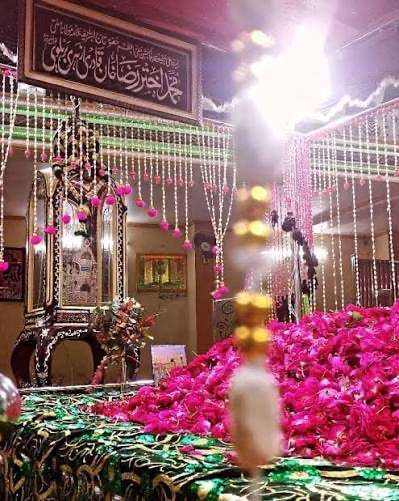
Condolences came from Damascus, Baghdad, Makkah, Beirut, Abu Dhabi, Istanbul, Mauritania, Somalia and Indonesia.40
إِنَّ اللَّهَ لَا يَقْبِضُ الْعِلْمَ انْتِزَاعًا يَنْتَزِعُهُ مِنَ الْعِبَادِ، وَلَكِنْ يَقْبِضُ الْعِلْمَ بِقَبْضِ الْعُلَمَاءِ
The Prophet ﷺ said: “Allah does not take away knowledge by snatching it from His servants; He takes knowledge away by taking the scholars.”
Bareilly · Istanbul
Succession
His successor is his son, Qaid-e-Millat Mufti Muhammad Asjad Raza Khan حفظه الله. In 2004 Taj al-Shari’ah had given him ijāzah and khilāfah in the Qadiri Razavi order and named him his successor.41
In the spring of 2019 the scholars of the Shar’i Council of India chose Qaid-e-Millat as Qāđī al-Quđāt fi’l-Hind, the Chief Islamic Justice of India, in his father’s place.42 Like his father, he is known as the Grand Mufti of India.43 He has been Principal of Jamiatur Raza since 2019,44 directs the Markazi Dar al-Ifta in Bareilly, and is national President of All India Jamaat Raza-e-Mustafa, the organisation founded by Alahazrat.41
On 7 July 2024 Qaid-e-Millat inaugurated Jamiaturraza Istanbul, which works under his patronage.45
Sources
-
Ĥayāt, p. 6. Some sources, including Wikipedia, give 23 November 1943; his institution’s biographies give 1942, which agrees with the Hijri date. Back to reference 1
-
Ĥayāt, pp. 6–8. Back to reference 2
-
Ĥayāt, pp. 16, 22. Back to reference 3
-
Ĥayāt, pp. 17, 22. Back to reference 4
-
Sawāniĥ, pp. 47–49. The written appointment is reproduced in facsimile in Sīrat-e Tāj al-Sharīʿah, p. 13. Back to reference 5
-
Ĥayāt o Taşnīfī Khidmāt, p. 26; Sawāniĥ, p. 64. Back to reference 6
-
Vol. 1 (Bareilly: Markaz al-Dirāsāt al-Islāmiyyah, Jāmiʿat al-Riđā, Şafar 1438 / November 2016) — archive.org; the ten-volume total from muftiasjadraza.com, 2022. Back to reference 7
-
Sawāniĥ, p. 133. Back to reference 8
-
Sawāniĥ, pp. 128–129. Back to reference 9
-
The Muslim 500, 2018 edition: “He was also appointed to the position of Muslim Chief Justice of India in 2006” — archived. Back to reference 10
-
“Grand Mufti of India”, Wikipedia. Back to reference 11
-
“Bareilly cleric among world’s most influential Muslims”, The Times of India, 8 August 2016. Back to reference 12
-
Sawāniĥ, pp. 63–64. Back to reference 13
-
Ĥayāt o Taşnīfī Khidmāt, p. 31. Back to reference 14
-
Sawāniĥ, p. 78, quoting Sunnī Duniyā (Bareilly), January 2012. Back to reference 15
-
Munawwar Ateeq, A Man Among the Men of Allah: Mufti Akhtar Raza Khan (c. 2010), who saw it in Mina and Jeddah in 2009 — scribd.com. Back to reference 16
-
Munawwar Ateeq, A Man Among the Men of Allah; Sawāniĥ, pp. 63–64. Back to reference 17
-
Sawāniĥ, pp. 66–71. Back to reference 18
-
His statement at the Minara Masjid, Bombay, 13 September 1986, printed as Saʿūdī Ĥukūmat kī Kahānī, Akhtar Riđā kī Zubānī (Bareilly, 1407 AH), pp. 3–8, and quoted in full in Ĥayāt o Taşnīfī Khidmāt, pp. 26–31. Back to reference 19 Back to reference 19
-
Sawāniĥ, pp. 60–62. Back to reference 20
-
Diyār-e Árab, pp. 4–5, 10–13. Back to reference 21 Back to reference 21
-
Diyār-e Árab, pp. 21, 24–27; Sawāniĥ, pp. 85–86. Back to reference 22
-
Şawt al-Azhar, May 2009, reproduced in Munawwar Ateeq, A Man Among the Men of Allah. Back to reference 23
-
Diyār-e Árab, pp. 15–18, 21–23; Sawāniĥ, pp. 79–85. Back to reference 24 Back to reference 24
-
Diyār-e Árab, pp. 4–5, 10–13, 32–33; Mawlana Ashiq Hussain Kashmiri, Huzoor Taj al-Shari’ah’s Trip to Istanbul 2014 (PDF). Back to reference 25
-
Munawwar Ateeq, A Man Among the Men of Allah. Back to reference 26
-
Munawwar Ateeq, A Man Among the Men of Allah, recalling the Mufti’s words in Jeddah during the Hajj of 2009; Sawāniĥ, p. 80, on his visit to Bareilly in 2008. Back to reference 27
-
Mawlana Ashiq Hussain Kashmiri, Huzoor Taj al-Shari’ah’s Trip to Istanbul 2014, trans. Muhammad Kalim (PDF), pp. 1–2. Cübbeli Ahmet Hoca is called “Shaykh Mahmood Cubbeli” in the text and “Shaykh Ahmad Cubbeli, a Murid, Student and Khalifa of Shaykh Mahmood Effendi” in its footnote. The visit was decided with a tour of Europe, a month and a half to two months after the party returned from Madinah. Printed page numbers are one less than the PDF’s. Back to reference 28
-
Kashmiri, Trip to Istanbul, p. 2. Back to reference 29
-
Kashmiri, Trip to Istanbul, pp. 2–3. The answers: for unity, the hadith he quoted from ʿAbd Allāh ibn Masʿūd, “The last of this community will surely not be rectified except by that which rectified the first of them”; for life among Muslims, al-Fatĥ 48:29; the zakāt threshold as known in India; and 92 km for shortening the prayer. Back to reference 30
-
Kashmiri, Trip to Istanbul, pp. 3–4. Back to reference 31
-
Kashmiri, Trip to Istanbul, p. 4 and n. 2: Taj al-Shari’ah was eating in another room, and confirmed the answers to Cübbeli Ahmet Hoca on his return. Back to reference 32
-
Ţāriq Anwar Mişbāĥī, Ĥużūr Tāj al-Sharīʿah: ʿArabī Taşānīf kā Taʿāruf (2018), and Ĥayāt, pp. 26–32. Back to reference 33
-
Ţāriq Anwar Mişbāĥī’s catalogue (2018). Back to reference 34
-
Munawwar Ateeq, A Man Among the Men of Allah, who names the publishers as Dār al-Sanābil (Damascus) and Dār al-Ĥāwī (Beirut) and the endorsers as Shaykh Maĥmūd al-Ĥūt al-Nabhānī (Aleppo), Sayyid Yūsuf al-Hāshimī al-Ĥasanī (Beirut), Sayyid Yūsuf Hāshim al-Rifāʿī (Kuwait), Shaykh Saʿd al-Dīn al-Murād (Jeddah), Shaykh Mūsā ʿAbduh Yūsuf al-Isĥāqī and Muĥammad Nāżim ʿAlī Mişbāĥī. Back to reference 35
-
Sawāniĥ, p. 132; Safīna-e Bakhshish maʿ Rūĥ al-Fuʾād bi-Dhikrā Khayr al-ʿIbād (2018), archive.org; Ţāriq Anwar Mişbāĥī, Ĥużūr Tāj al-Sharīʿah: ʿArabī Taşānīf kā Taʿāruf (2018). Back to reference 36
-
English: Muhammad Afthab Cassim Qaadiri, 50 Rays of Luminosity from Sayyidi Taajush Shariah’s Poetry (Durban: Imam Mustafa Raza Research Centre), rays 1, 3–18, 20–26, 30, 34–39, 42–46 and 48–50 (pp. 24–202); ray 47 repeats ray 12, and rays 2, 19, 27–29, 31–33, 40 and 41 are manqabats. For the Arabic and Persian, his Safina e Bakhshish: The Ark of Salvation (Durban: Imam Mustafa Raza Research Centre, 2020; archive.org), pp. 28, 35, 36 and 218. The original script of every couplet is copied from the page images of The Ark of Salvation. Back to reference 37
-
Ĥayāt, p. 39; Patrika (Bareilly), 21 July 2018. Back to reference 38
-
Hindustan (Hindi daily), Bareilly, 22 July 2018 — livehindustan.com. Back to reference 39
-
The condolences, with their Arabic originals, are on muftiakhtarrazakhan.com. Back to reference 40
-
“Biography”, muftiasjadraza.com (official site of Mufti Asjad Raza Khan). Back to reference 41 Back to reference 41
-
Abu Yusuf Muhammad Qadiri, Qāđī al-Quđāt kā Intikhāb Lāʾiq-e Şad Iftikhār ʿAmal (Urdu), pp. 1–2 — archive.org; The Times of India, 2 April 2019. Back to reference 42
-
“Clerics urge 5 lakh gathered for Aala Hazrat Urs to ignore fringe elements”, The Times of India, 2022. Back to reference 43
-
“The Principal”, jamiaturraza.com. Back to reference 44
-
“Istanbul, Türkiye: Inauguration of Jamiatur Raza Istanbul, 7th July 2024”, muftiasjadraza.com. Back to reference 45
Abbreviations and references
- Ĥayāt
- Shīrāz Aĥmad al-Niżāmī al-Azharī, Ĥayāt al-Shaykh Tāj al-Sharīáh al-Azharī (Bareilly: Dār al-Malik, 1440/2019), Arabic, 40 pp. Printed page numbers. — archive.org
- Diyār-e Árab
- Ghulām Jābir Shams Mişbāĥī, Ĥużūr Tāj al-Sharīáh Diyār-e Árab meiñ: Asfār o Muĥāđarāt aur Khidmāt o Athrāt (Karachi: Taj al-Shari’ah Foundation, online ed.), Urdu, 55 pp. A compilation of eyewitness accounts. Printed page numbers. — archive.org
- Sawāniĥ
- Muĥammad Yūnus Riđā Uwaysī, Sawāniĥ-e Tāj al-Sharīʿah, Urdu, 249 pp. Written in his lifetime (a commendation in it is dated 30 March 2018). — archive.org
- Ĥayāt o Taşnīfī Khidmāt
- Muĥammad Áţā’ al-Nabī Ĥusaynī Mişbāĥī, Tāj al-Sharīʿah: Ĥayāt o Taşnīfī Khidmāt (Nepal: Fakhr-e Millat Foundation), Urdu. Quotes his own statement on the 1986 arrest in full. — archive.org
Last updated 1 November 2026