
جامعة الرضا
Jamiatur Raza, Bareilly Shareef
Center of Islamic Studies · Bareilly Shareef, India · founded 29 May 2000
The Sunni university that Taj al-Shari’ah founded in the city of Alahazrat, and the markaz, the mother institution, of Jamiaturraza Istanbul.
Photo: Jamiatur Raza
History
Founding, 2000
The Center of Islamic Studies, Jamiatur Raza (مرکز الدراسات الاسلامیہ جامعۃ الرضا) was founded on 29 May 2000 by Taj al-Shari’ah Mufti Muhammad Akhtar Raza Khan al-Azhari رحمه الله.1 It fulfilled the wish of his maternal grandfather, Mufti-e-Azam-e-Hind Mawlana Mustafa Raza Khan رحمه الله, for a Sunni university in Bareilly Shareef, the city of Alahazrat.2
Its founder wanted an education that joined the teaching of Islam with the modern knowledge a scholar needs, so that its graduates could teach the Qur’an and Sunnah in depth and present Islam with reason to the world they live in.1
Its Principal is Qaid-e-Millat Mufti Asjad Raza Khan حفظه الله, the son of Taj al-Shari’ah, since 2019; he is also President of Jamaat Raza-e-Mustafa.3 Jamiatur Raza is the markaz, the mother institution, of Jamiaturraza Istanbul.
The campus
Markaz Nagar, Mathurapur, Bareilly
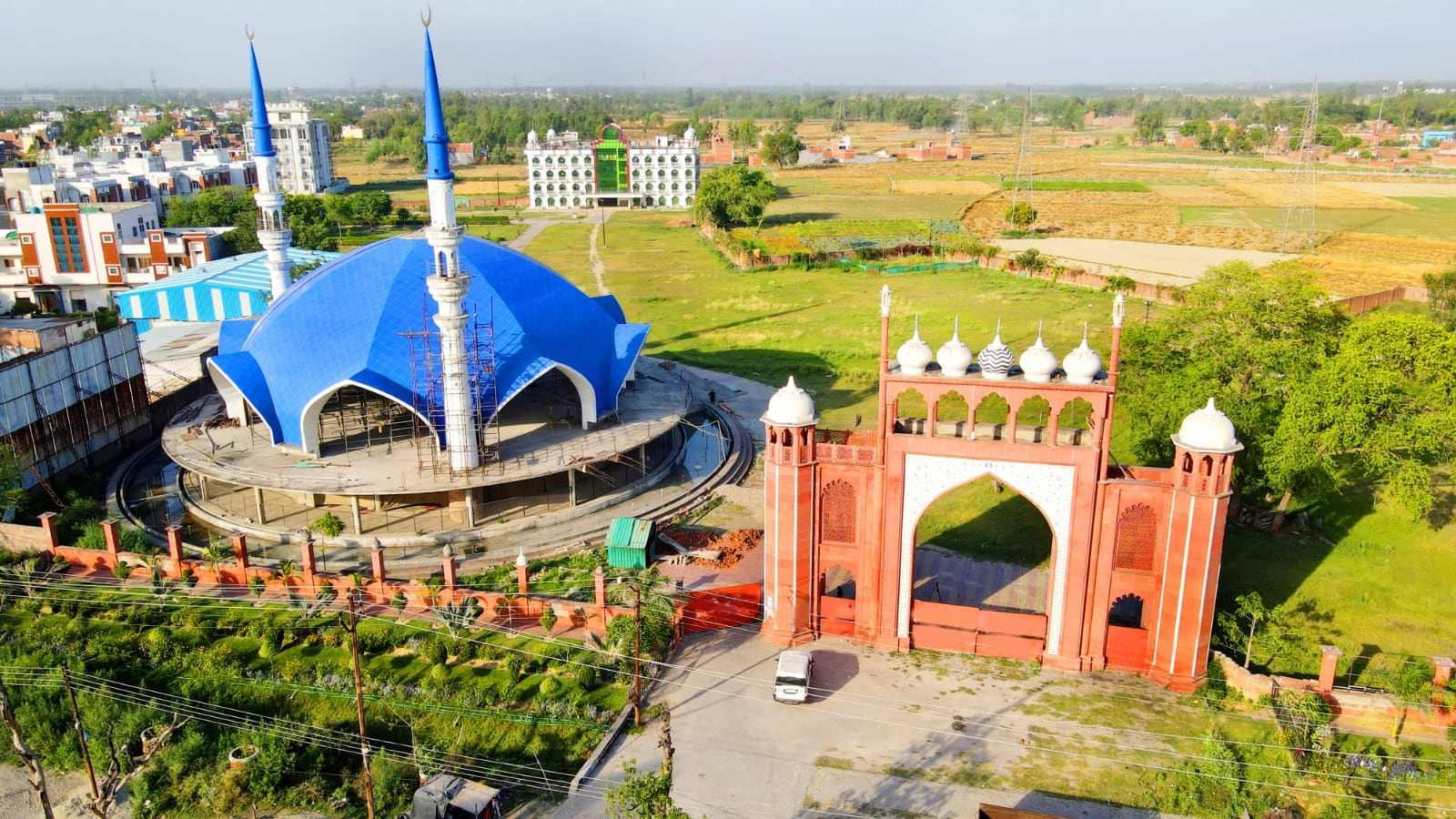
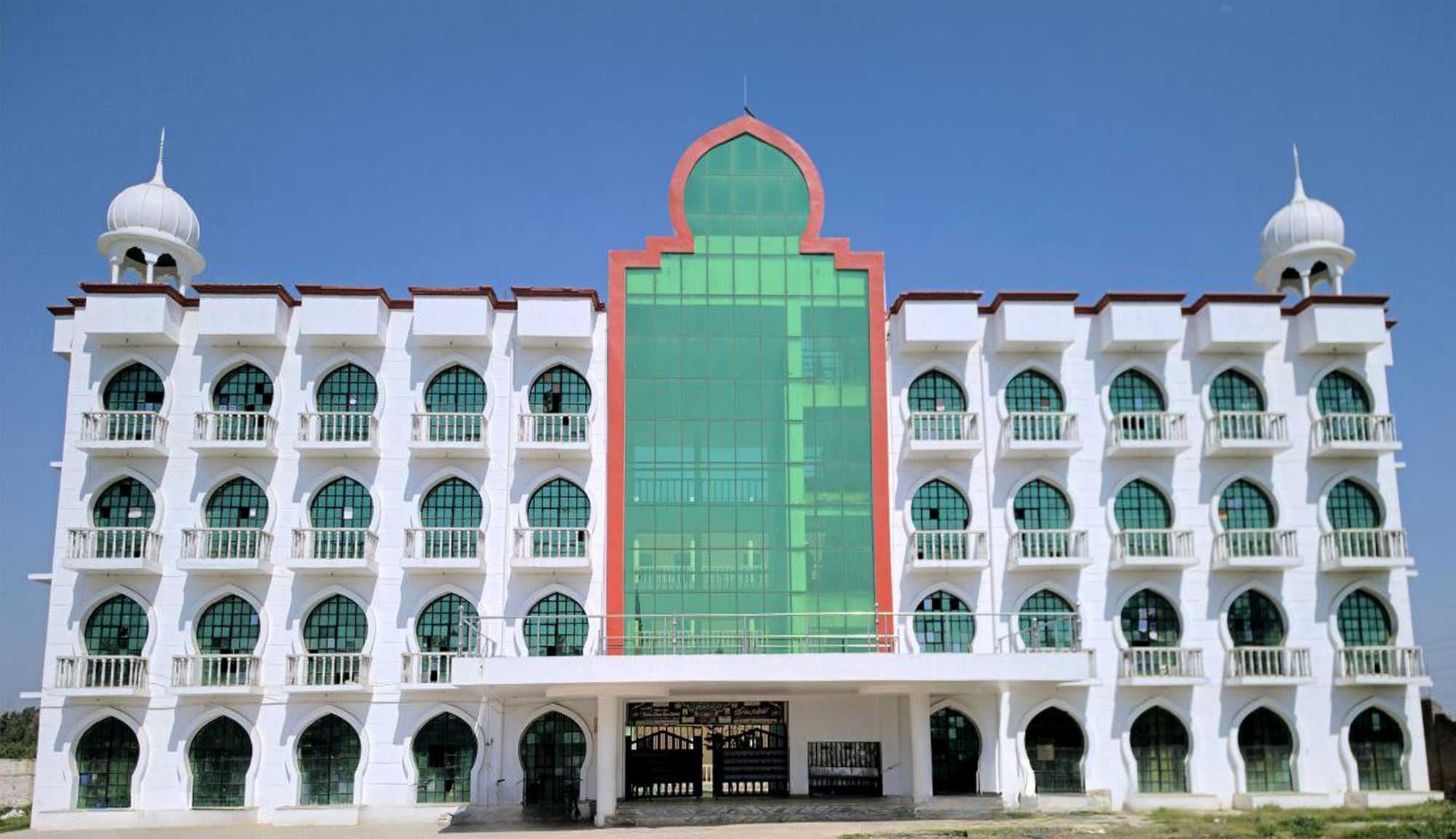
Jamiatur Raza stands at Markaz Nagar, Mathurapur, in the CB Ganj area of Bareilly. Its gateway is Bāb-e Razā; within are the academic building, the students’ hostels, the Hamidi Masjid and the staff quarters, the Noori Staff Colony.4
Teaching
Faculties and courses
Teaching is organised in four faculties.5
- Ash-Sharīʿah, the faculty of Islamic law, which carries the Dars-e Niẓāmī through its stages, from Pre-Maulviyah to Fazilat.
- At-Taḥqīq, the faculty of research, where graduates specialise in fiqh, Takhaṣṣuṣ fi’l-Fiqh.
- At-Taḥfīẓ, where students learn the Qur’an by heart.
- At-Tajwīd, where they learn to recite it with tajwīd and the readings, qirāʾāt.
Secondary
Three years.
Maulvi
Two years.
Aalim
Two years.
Faadil
Three years.
Specialisation
Fiqh, tafsir, hadith or Arabic literature.
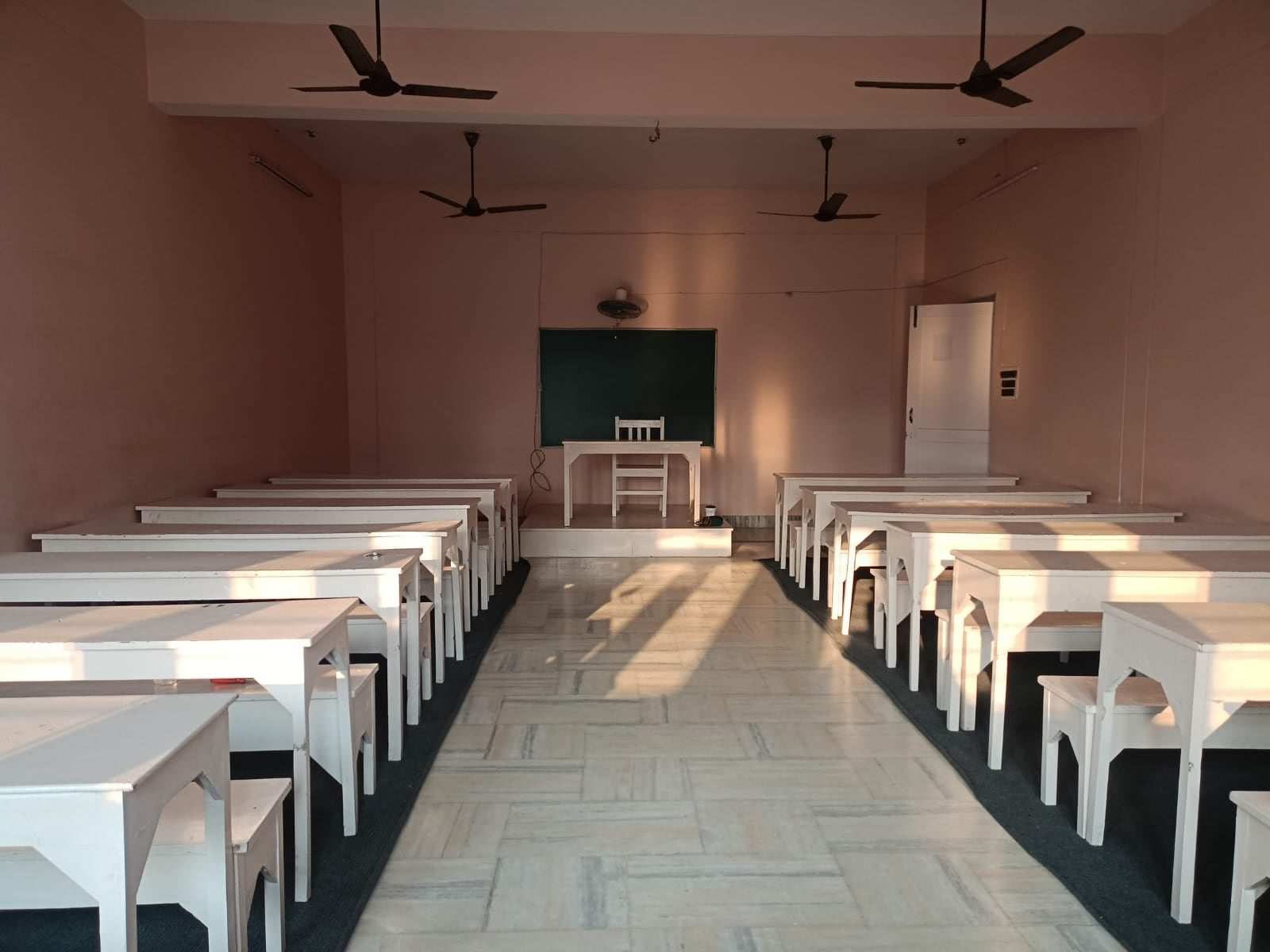
Beside it run the Qur’an courses: hifz in three years, the reading of Ḥafṣ in two, and the seven readings, Qirāʾāt Sabʿa, in two more.2 The Islamic subjects are the Qur’an, hadith, fiqh, logic, philosophy, Arabic and Islamic history; with them students take computer science, mathematics, English and Hindi.6
Libraries
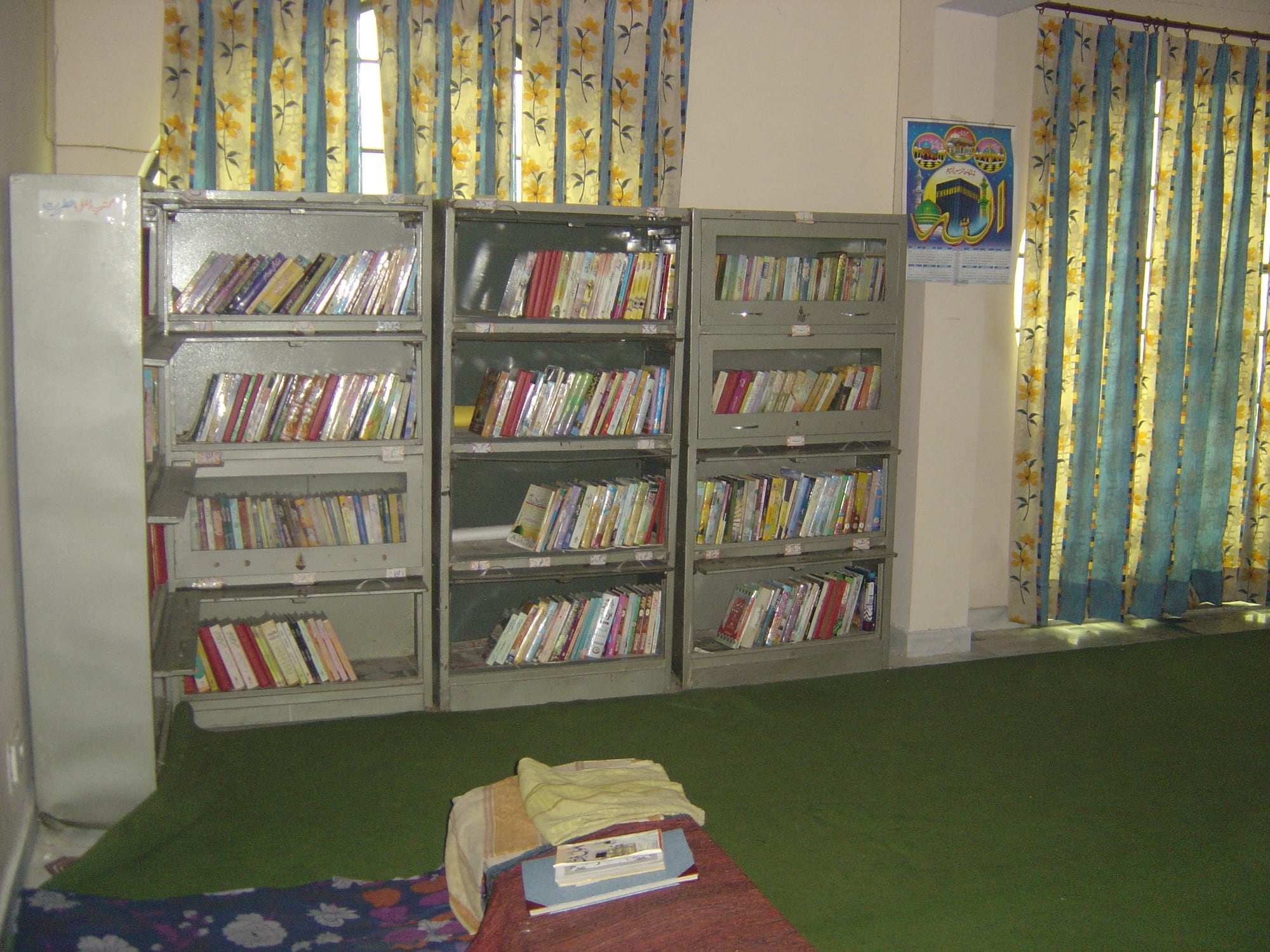
The Taj al-Shari’ah and Mufassir-e-Azam libraries
- 26,000+books in the Taj al-Shari’ah Library, the central library
- 16,000+books in the Mufassir-e-Azam Library, run by the students themselves
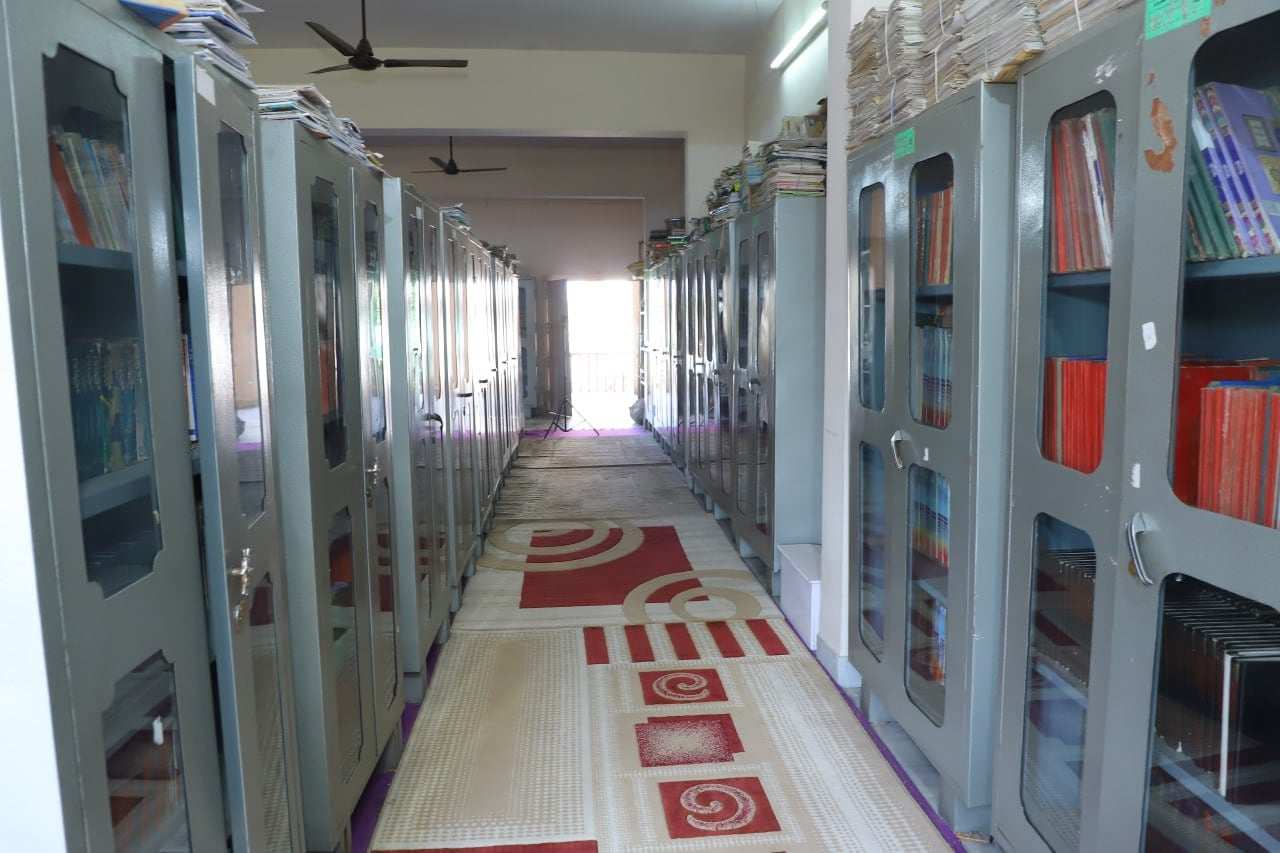
The Taj al-Shari’ah Library is the central library: more than 26,000 books on the Qur’anic sciences, hadith, fiqh and Islamic history, and on literature, science and the arts, with journals and quiet reading rooms. Every student may borrow from it.7
The Mufassir-e-Azam Library, named after Mufassir-e-Azam-e-Hind Mawlana Ibrahim Raza Khan رحمه الله, the father of Taj al-Shari’ah, is the students’ own: more than 16,000 books, chosen and run by the students, who keep it in order themselves.8
Student life
Hostel, meals and facilities
Students live on campus. The hostel has 107 rooms and three large halls, and every student eats in the Hujjat al-Islam Dining Hall three times a day, free of charge.910 Drinking water comes from the campus’s own purification plant, power is kept on day and night, and there are playing fields for sport.9
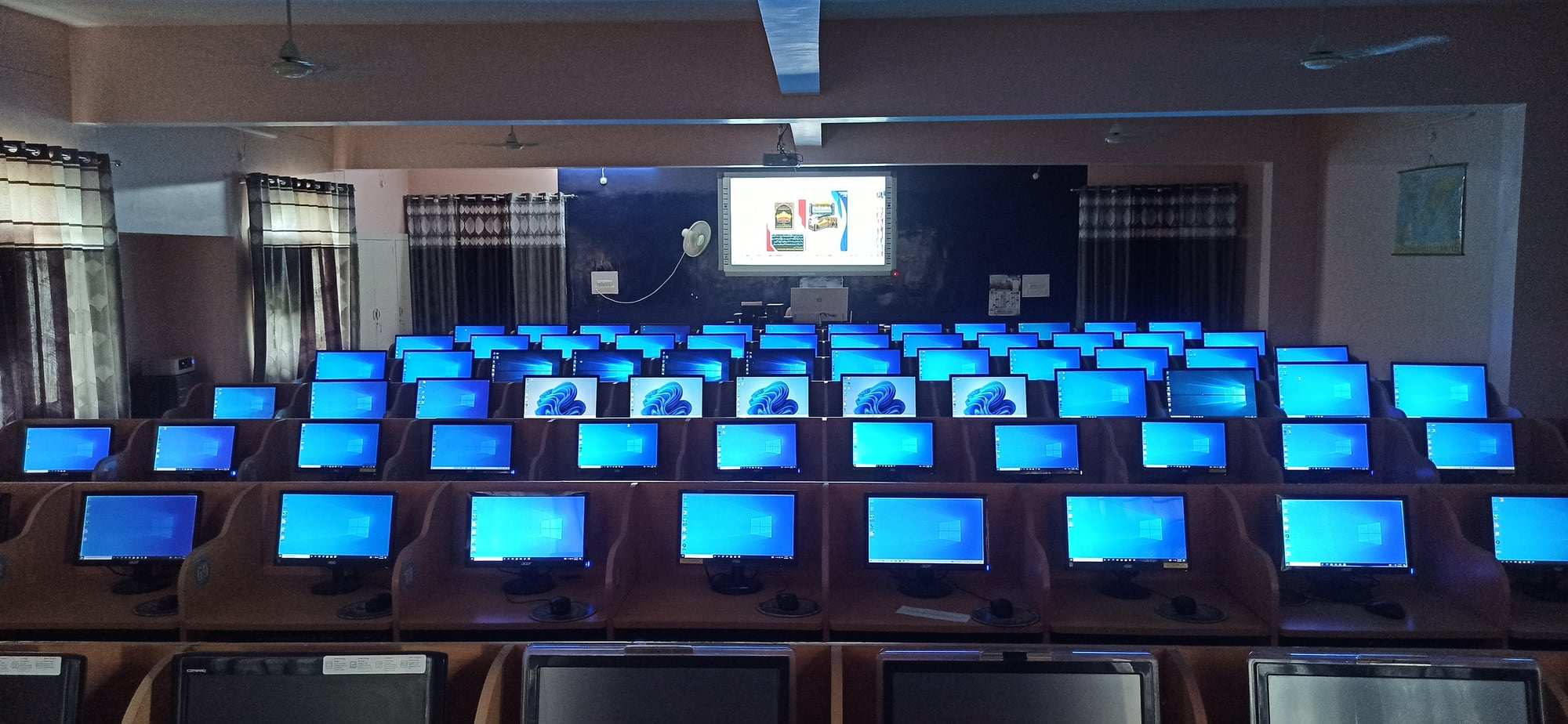
The campus also has the Allama Hasan Raza Conference Hall, the Raza Health Care Centre and the Mufti-e-Azam IT Centre.10
Institutions
Dar al-Ifta, Sharee Council and other bodies
Jamiatur Raza is also home to institutions whose work reaches far beyond its students: the central house of fatwa, the Markazi Dar al-Ifta; the Sharee Council of India; and the Moon Sighting Committee. It has centres for compiling books, for judicial verdicts and for Islamic jurisprudence, and departments of printing and publishing, religious journalism, and research and training.210
Development
Plans for the next five years
Jamiatur Raza has more than a thousand students, and plans to have two thousand within five years.1
That is how Jamiatur Raza states its aim: “We aim to evolve into a distinguished Arabic University renowned for excellence in Islamic education and modern academic standards.”11 Its plans include courses in Islam for doctors and other professionals, an affiliation department to give smaller madrasas a common syllabus, and new buildings: a central library, a house for the Dar al-Qaza and Dar al-Ifta, a centre for writing and publishing, more classrooms and a computer building.1
The first of them is already rising: the Qadri Hostel, five floors of twenty rooms each, for four hundred students.104
Contact
Address and contact
Google Maps · cisjamiaturraza.ac.in · jamiaturraza@outlook.com
The Tarānah, the anthem of Jamiatur Raza, as recorded by Farhan Markazi in 2020:
Sources
-
Jamiatur Raza, “About us”, cisjamiaturraza.ac.in, read 1 November 2026. Back to reference 1 Back to reference 1 Back to reference 1 Back to reference 1
-
“Jamiatur Raza: Introduction”, muftiakhtarrazakhan.com. Back to reference 2 Back to reference 2 Back to reference 2
-
Jamiatur Raza, jamiaturraza.com. Back to reference 3
-
Jamat Raza-e-Mustafa, Mumbai, JamiaturRaza: Qadri Hostel, Full Campus Tour (film and its chapter list), YouTube, 3 May 2025. Back to reference 4 Back to reference 4
-
Jamiatur Raza, “Faculty and departments”, cisjamiaturraza.ac.in, read 1 November 2026. Back to reference 5
-
Jamiatur Raza, “Tuition to all students”, cisjamiaturraza.ac.in, read 1 November 2026. Back to reference 6
-
Jamiatur Raza, “Tajushshariah Library”, cisjamiaturraza.ac.in, read 1 November 2026. Back to reference 7
-
Jamiatur Raza, “Mufassir-e-Azam Library”, cisjamiaturraza.ac.in, read 1 November 2026. Back to reference 8
-
Jamiatur Raza, “Facilities”, cisjamiaturraza.ac.in, read 1 November 2026. Back to reference 9 Back to reference 9
-
Jamat Raza-e-Mustafa, Mumbai, Jamiatur Raza Detailed Documentary (film and its description), YouTube, 29 March 2024. Back to reference 10 Back to reference 10 Back to reference 10 Back to reference 10
-
Jamiatur Raza, “Our vision and mission”, cisjamiaturraza.ac.in, read 1 November 2026. Back to reference 11
Last updated 1 November 2026